
- 2
- 2,844 words
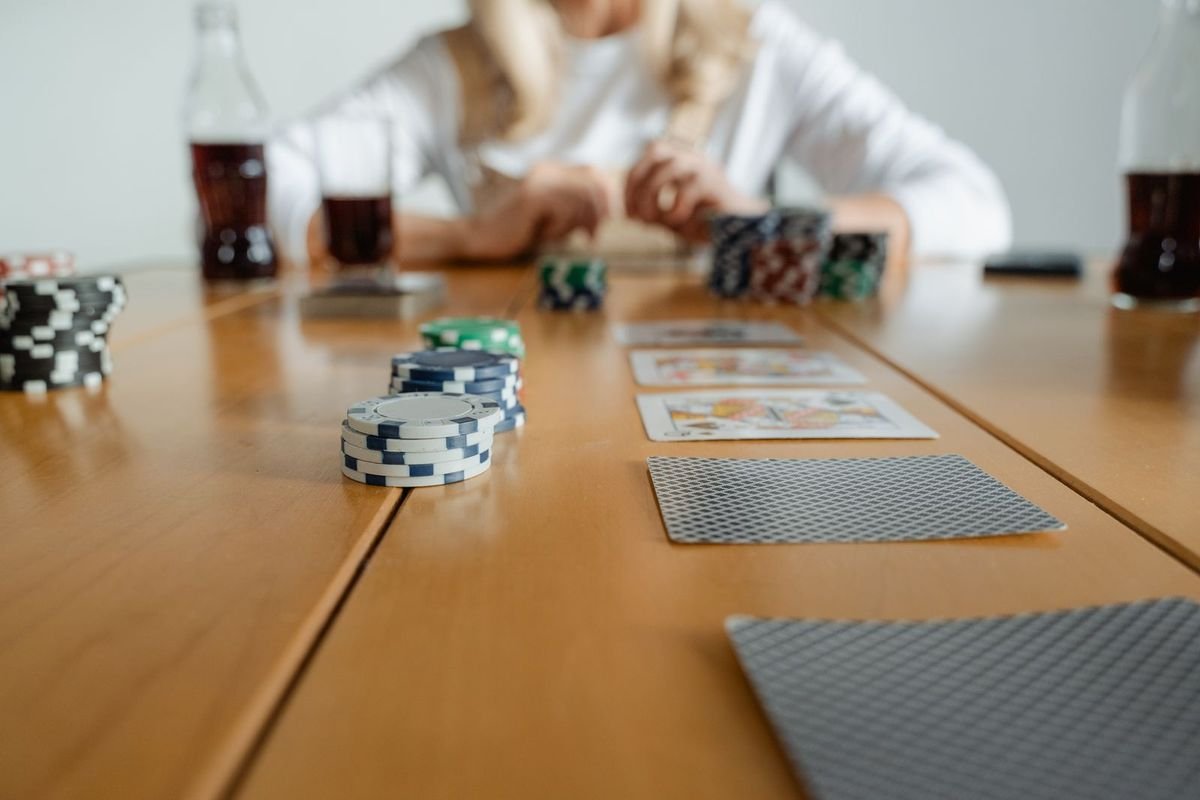
I will be honest with you: the first time a friend invited me to a poker tournament, I said yes before I actually understood what I had agreed to. I pictured a smoky back room, a pile of cash in the middle of the table, and everyone trying to bluff their way to a fortune. What I actually walked into was far more ordinary, and far more interesting: a room full of regular people, each with the same starting stack of chips, a clock on the wall counting down the blind levels, and a quiet tension that built slowly over hours.
If you have ever watched poker on television and wondered how it all works, you are not alone. Tournaments look simple from the outside — everyone plays, someone wins — but the structure underneath is what makes them so different from a casual home game. So let me explain it the way I wish someone had explained it to me before my first one: plainly, without jargon, and without pretending that entering one will make you rich. If you have ever asked yourself what is a poker tournament, exactly, this guide is for you.
Table of Contents
What Is a Poker Tournament? The Basics in Plain English
So, what is a poker tournament in practice? It is a competition where every player pays the same entry fee, called a buy-in, and receives the same number of tournament chips to start with. You play hand after hand, and when you lose all your chips, you are out. The last few players standing split the prize pool. That is the whole idea. There is no topping up your stack mid-game, and no leaving whenever you feel like it to cash out your chips.
That fixed structure is what makes tournaments feel so different from other forms of poker. In a cash game, every chip is worth real money, and you can walk away at any time. In a tournament, the chips are just a way of keeping score. Their only job is to keep you alive in the event. For a fuller background on how tournament play developed, the Poker tournament page on Wikipedia gives a solid overview of the format and its history.
How a Poker Tournament Actually Works
Let us walk through a typical tournament from the start, because the mechanics are easier than they look once you see them in order. First, you register and pay your buy-in. Say the buy-in is $50 plus a $5 entry fee — that $5 goes to the house or the organiser, and the $50 goes into the prize pool. You then take your seat and receive your starting stack, perhaps 10,000 or 20,000 chips.
Then the blinds begin. Blinds are forced bets that rotate around the table, and they are what keep the game moving. In a cash game the blinds stay the same all night, but in a tournament they increase at set intervals — every 15, 20, or 30 minutes, depending on the event. If you remember one thing about what is a poker tournament, remember the rising blinds: they are the clock that forces the game to a conclusion. As they rise, your stack gets smaller relative to the cost of each round, and that pressure forces action. You cannot just sit and fold forever, because eventually the blinds alone will eat your stack alive.
As players lose their chips, they are eliminated, and the remaining players are moved between tables to keep the numbers balanced. Eventually you reach the “bubble,” the point just before the prizes start — if 100 people enter and 15 get paid, the player who finishes 16th has burst the bubble and goes home with nothing. That bubble phase is famously tense, because some players will fold almost every hand to sneak into the money, while others will play aggressively to steal their blinds. Once the bubble bursts, the remaining players are all guaranteed a payout, and the prizes grow larger the further you go, with the winner taking the biggest share.
The Prize Pool and Payout Structure
The prize pool is simply the total of all the buy-ins, minus any fees taken by the organiser. If 200 players each pay $50 into the pool, the prize pool is $10,000. Understanding what is a poker tournament also means understanding the payout structure, which is usually published before the event starts. In most tournaments, roughly the top 10 to 15 percent of the field gets paid, with the payouts rising steeply toward the top. The winner might take 25 to 30 percent of the pool, second place maybe 18 percent, and the smallest payouts might be barely more than the buy-in.
This top-heavy structure matters more than most beginners realise, because it shapes the whole strategy of the game. Simply surviving into the money is a nice result, but the smallest payout often just returns your buy-in plus a little extra. The real money sits at the final table, and especially in the top three spots. That is why tournament players talk about “playing to win” rather than “playing to cash.” The maths is simple: if you always play cautiously just to scrape into the prizes, you will rarely reach the payouts that actually make tournaments profitable.
Freezeout vs Rebuy vs Bounty Tournaments
Not all tournaments follow the same rules about what happens when you lose your chips, and the format you choose changes the feel of the event completely. In a freezeout, the classic format, you get one life. Lose your chips and you are done — no second chances, no re-entry. Freezeouts tend to be calmer and more strategic, because every decision carries real weight, and I would recommend them as the best starting point for a beginner.
In a rebuy tournament, you can buy back in during an early rebuy period if you bust, or sometimes top up your stack when it gets low. Rebuys make the early stages much wilder, because players gamble more freely knowing they can buy back in. They can also make the event more expensive than you planned if you keep rebuying, so set a hard limit for yourself before you start.
Then there are bounty tournaments, sometimes called knockout tournaments, where part of your buy-in becomes a bounty on your head. Every time you eliminate another player, you win their bounty immediately, in cash, regardless of where you eventually finish. Whichever format you choose, the core of what is a poker tournament never changes: one stack, rising blinds, last players standing. Bounty events are lively and beginner-friendly in one sense — you can win money without even reaching the prizes — but they can also encourage loose, reckless play, so enjoy them for what they are.
Sit-and-Go vs Multi-Table Tournaments
The other big split in tournament poker is between sit-and-go tournaments and multi-table tournaments. A sit-and-go, often shortened to SNG, starts as soon as enough players have registered — usually 6, 9, or 10 players at a single table. There is no scheduled start time, and the event ends when one player has all the chips. If you are still wondering what is a poker tournament for a first-timer, a sit-and-go is my answer: SNGs are short, typically lasting under an hour, and they give you the full tournament experience — rising blinds, bubble pressure, a winner — in a manageable chunk of time.
A multi-table tournament, or MTT, is the big scheduled event: a set start time, potentially hundreds or thousands of players across many tables, and a prize pool to match. MTTs are what you see on television, and they are where the biggest prizes live. They also demand much more time and patience. The early stages can feel slow, the middle stages are a grind, and the late stages are intense. Many beginners jump straight into MTTs because the prizes look exciting, but honestly, a few dozen sit-and-gos first will teach you more about tournament play than one long MTT where you bust in the first hour.
Online vs Live Poker Tournaments
Playing a tournament online and playing one in person are the same game with a very different atmosphere, and each has real advantages. Online tournaments run around the clock, with buy-ins starting from literally a dollar or two, which makes them the cheapest way to learn. The pace is also much faster online — you will see far more hands per hour — which means you learn faster, but it also means mistakes cost you faster. And you cannot see your opponents, so you have to rely on betting patterns rather than facial expressions or body language.
Live tournaments are slower, more social, and, for many people, more enjoyable. You sit at a real table, handle real chips, and talk to real people. The downsides are practical: you have to travel to a venue, the buy-ins are usually higher, and a single tournament can eat up an entire evening. Whether you play online or live, what is a poker tournament stays the same — only the setting changes. And if you are new to poker variants in general, learning a game like Omaha first can sharpen your overall understanding — my guide on how to play Omaha poker for beginners walks through that game step by step, and many of the skills transfer directly to tournament play.
My honest take is that most beginners should start online, at the lowest buy-ins, to learn the mechanics cheaply, and then try a live event once they feel comfortable with the structure.
Beginner Strategy: Survival vs Aggression
Here is where most beginners get confused, because tournament strategy seems to give contradictory advice: survive, but also be aggressive. Both are true, and the trick is knowing when each applies. The tension between survival and aggression is the heart of what is a poker tournament strategy. In the early stages, when the blinds are small compared to your stack, you can afford to be patient. Play solid hands and let the reckless players eliminate each other.
As the blinds rise and your stack shrinks relative to them, patience stops being enough. This is where aggression matters. You need to steal blinds, put pressure on shorter stacks, and pick spots to go all-in rather than slowly bleeding away. The key concept is your stack measured in “big blinds” — if you have 10 big blinds left, you are in the danger zone and need to find a hand to push with soon.
Bankroll management is the other half of strategy that nobody finds exciting but everyone needs. The rule of thumb is simple: never put a large chunk of your poker money into a single tournament. Many experienced players suggest keeping at least 50 to 100 buy-ins for the level you play, because tournaments have huge variance — you can play well and still lose twenty in a row without cashing. That is not a flaw in your game; it is the nature of a format where only a small percentage of the field gets paid.
Common Mistakes Beginners Make
The first mistake is playing too many hands early on — a misunderstanding of what is a poker tournament rewards in its opening stages. Tournament poker on television shows the exciting all-ins, not the long stretches of folding, so beginners arrive thinking they should be involved in every hand. If you are playing more than about a quarter of your hands in the early stages, you are almost certainly playing too loose.
The second mistake is the opposite: playing too passively near the bubble. Some beginners fold everything once the prizes are close, hoping to sneak into the money. That sometimes works, but it usually leaves you with a tiny stack that cannot compete once the bubble bursts, and you end up busting in the smallest payout spot anyway. A better approach is to stay selective but still take clear opportunities to steal blinds from players who are even more afraid of busting than you are.
The third mistake is emotional rather than technical: tilting. Losing a big hand to an unlucky card hurts, and the temptation is to immediately play aggressively to win your chips back. That almost always makes things worse. If you feel yourself tilting, step away from the table for a few minutes, or take a break between hands online. And the fourth mistake is ignoring position. Where you sit relative to the dealer button matters enormously: acting later in a hand gives you more information, because you have seen what everyone else did first. Hands that are fine to play from a late position are often losers from an early one, and beginners tend to play the same hands regardless of position, which quietly costs them chips all night.
Are Poker Tournaments Worth Entering?
So, after all of that, should you enter one? If you understand what is a poker tournament and treat it as entertainment, my honest answer is yes. Tournaments are one of the best-value ways to enjoy poker. A small buy-in can buy you hours of entertainment, a room full of interesting people, and a genuine shot at a prize many times your entry fee.
But go in with realistic expectations. Most players do not make money from tournaments over the long run, and the ones who do treat it as a serious discipline, studying strategy for years. You should enter a tournament because you enjoy the game and the competition, not because you expect to pay your rent with the winnings. If the buy-in is money you can afford to lose and you treat the experience as entertainment first, you will enjoy it far more — and, ironically, you will probably play better, because you will not be desperate.
Frequently Asked Questions
What is a poker tournament and how is it different from a cash game?
In a tournament, everyone pays the same buy-in, receives the same starting chips, and plays until one player has all the chips, with prizes going to the top finishers. In a cash game, chips represent real money, you can join or leave at any time, and the blinds never increase. The fixed structure and elimination format are what make tournaments a distinct game.
How much does it cost to enter a poker tournament?
Buy-ins range from as little as $1 online to thousands of dollars for major live events, plus a small entry fee that goes to the organiser. Most beginners start with events costing $5 to $20, which offer the full tournament experience at a price that is easy to treat as entertainment. Always check whether the event allows rebuys, since those can raise your total spend.
How long does a poker tournament last?
A sit-and-go with a single table usually finishes in under an hour, while a small evening multi-table event takes around three to four hours. Large tournaments with hundreds of players can run for ten hours or more, and the biggest events stretch across several days. If you are short on time, sit-and-gos are the obvious choice.
Can you win real money in a poker tournament?
Yes, tournament prizes are paid in real money, and the winner of a large event can take home many times their buy-in. However, only the top 10 to 15 percent of the field typically gets paid, so most entries end with no return. Treat any winnings as a bonus rather than an expectation, and never enter a tournament with money you cannot afford to lose.
Do you need to be an expert to play in a poker tournament?
No, tournaments are open to players of all skill levels, and low buy-in events are full of beginners learning the game. You do need to know the basic rules of poker and the hand rankings before you sit down, but you do not need advanced strategy. Starting small and learning as you go is how almost every tournament player begins.
To sum up, a tournament is simply poker with a structure: one buy-in, one starting stack, rising blinds, and a prize pool waiting for the players who last the longest. It rewards patience and discipline far more than recklessness, and the players who enjoy it most treat it as a game first and a money-making scheme never.
Now that you know what is a poker tournament, from buy-in to bubble to final table, you can walk into your first event with a clear picture of how it works. You might bust in the first hour — most of us did, the first time — or you might find yourself at a final table wondering where the evening went. Play smart, keep your stakes sensible, and enjoy the ride.
Gamble responsibly. 18+ only.
Author

hamzayounus355@gmail.com
Related Posts
What Is a Push in Blackjack? Tie Rules, Examples and Strategy, Explained
- 0
- 2,994 words
The first time I ever saw a push, I thought the dealer had made a mistake. I was sitting at a small...
Read out all
What Is a 3 Bet in Poker? Meaning, Sizing and Strategy, Explained
- 0
- 2,970 words
The first time someone re-raised me before the flop, I had no idea what had just happened. I was playing a friendly...
Read out all
What Is a Poker Kicker? Rules, Examples and Strategy, Explained
- 0
- 3,085 words
What Is a Poker Kicker? Rules, Examples and Strategy, Explained The first time I lost a pot I was sure I had...
Read out all
What Is a Craps Horn Bet? Payouts, Odds and Rules, Explained
- 0
- 3,036 words
What Is a Craps Horn Bet? Payouts, Odds and Rules, Explained The first time I heard someone at a craps table shout...
Read out all
How to Play Online Poker for Real Money: A Beginner’s Guide, Explained
- 0
- 3,123 words
How to Play Online Poker for Real Money: A Beginner’s Guide, Explained I still remember the night I first typed how to...
Read out all
How to Play 5 Card Draw Poker: Rules, Draws and Strategy, Explained
- 1
- 3,088 words
How to Play 5 Card Draw Poker: Rules, Draws and Strategy, Explained The first time someone asked me how to play 5...
Read out all
2 comments