
- 0
- 3,085 words
What Is a Poker Kicker? Rules, Examples and Strategy, Explained
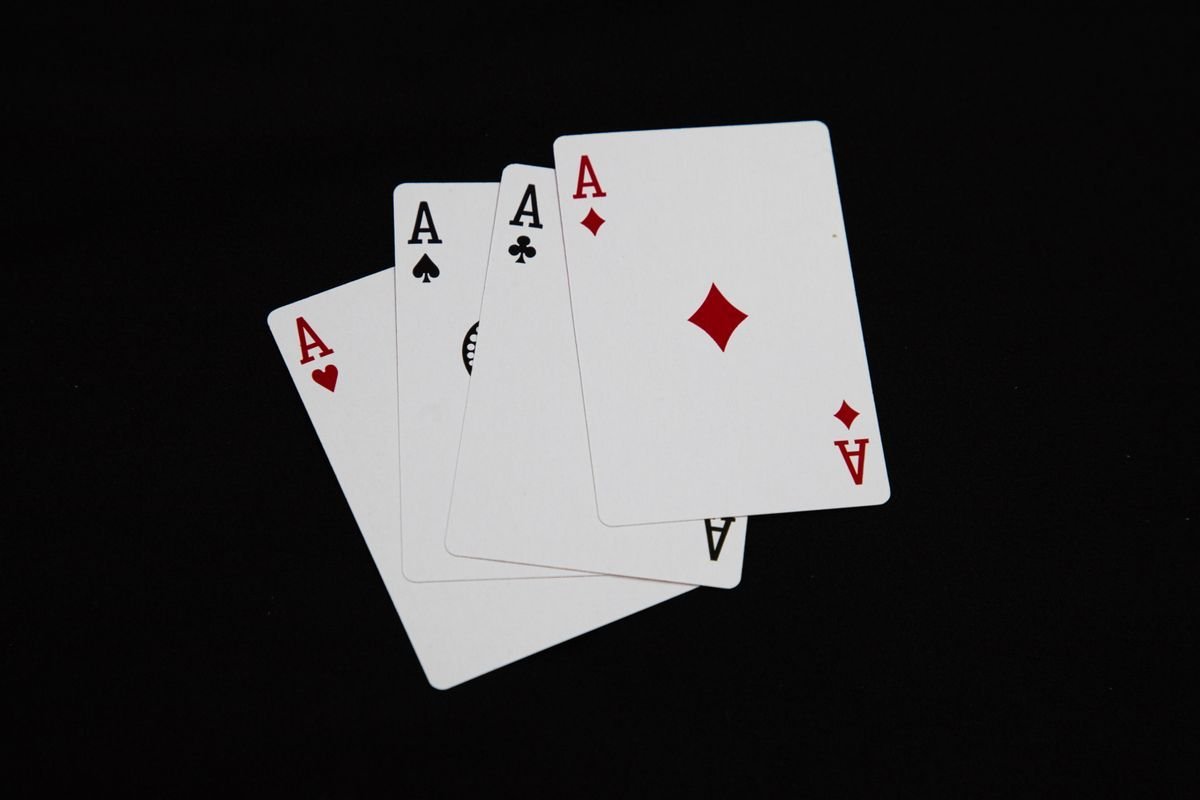
The first time I lost a pot I was sure I had won, I was holding a pair of aces. It was a small home game years ago. The board came down ace high, I had ace-nine, and I was already reaching for the chips when the player across from me turned over ace-king. The dealer pushed the pot to him, and I sat there confused, because we both had a pair of aces. What is a poker kicker, and why had it just cost me the pot?
I found out that night that a pair of aces is not just a pair of aces. In poker, when two players make the same hand, the side cards decide who wins. That side card is called a kicker, and it quietly decides more pots than most beginners ever realise. This guide explains what it is, when it matters, and how to stop losing money to it.
Table of Contents
What Is a Poker Kicker? The Simple Definition
A kicker is an unpaired side card that sits next to your made hand and acts as a tie-breaker. It is the card left over after your best five-card hand is made. Say you hold ace-nine and the board is ace, seven, five, three, two. Your best five are the two aces, the nine, the seven and the five, and the nine is your first kicker.
A kicker never makes your hand better on its own. A pair of aces with a king kicker is still just a pair of aces. It does not become two pair, it does not become a straight, and it does not beat a set of kings. The kicker only matters when someone else holds the same hand as you, and then it is everything.
So, what is a poker kicker, in one sentence? It is the highest unpaired card left over after your best five-card hand is made, used only to break ties between players holding the same hand. Once you know what is a poker kicker, you start seeing it everywhere. The kicker in poker guide from PokerNews lays out the same rule with more hand examples.
How the Best Five-Card Hand Always Plays
Poker hands are always made from exactly five cards, and that rule is the key to understanding what is a poker kicker in practice. In Texas Hold’em you get seven cards to work with, your two hole cards and the five on the board, but you only ever play the best five of them. Your kicker is the best card left over once your five-card hand is chosen.
Take a simple example. You hold king-queen and the board comes king, nine, seven, four, two. Your best five are the two kings, the queen, the nine and the seven. The queen is your first kicker and the nine is your second. If your opponent holds king-jack, his best five are the two kings, the jack, the nine and the seven, and your queen beats his jack. If he holds king-queen too, you split the pot.
Sometimes your hole cards do not play at all, because the board itself makes the best five-card hand. Before you get excited about a hand, check whether you are actually playing your cards, or just the board.
When Kickers Decide the Pot: Pairs, Trips and Quads
Kickers decide pots whenever the made hand leaves cards unused. With one pair, you have three kickers. With two pair, one. With three of a kind, two. With four of a kind, one. With a high-card hand, all five cards are effectively kickers.
The classic example is a pair of aces with a king kicker against a pair of aces with a nine kicker. The board is ace, seven, five, three, two. One player holds ace-king, the other ace-nine. The first player’s five cards are ace, ace, king, seven, five; the second’s are ace, ace, nine, seven, five. The king beats the nine. That is what is a poker kicker in action at the table.
Two pair is where a lot of players get caught out, because the kicker is easy to forget. Say the board is king, queen, queen, five, two, and you hold king-seven: your two pair is kings and queens with a seven kicker. Your opponent holds king-ace, so his kicker is the ace, and he wins.
Three of a kind leaves two kickers, and both of them can matter. Say the board is eight, eight, eight, four, two, and you hold ace-nine. Your hand is three eights with an ace and a nine, and your opponent’s king-queen gives him three eights with a king and a queen, so your ace wins. But if he held ace-jack, the first kicker would tie, and the second would decide it: your nine against his jack.
Four of a kind leaves one kicker, but it still decides the pot. Say the board is five, five, five, five, two: ace-three beats king-queen on the ace kicker. In a high-card hand, where nobody pairs the board, the highest card, then the next, and so on, takes the pot.
When Kickers Do Not Matter at All
Not every hand has a kicker. Straights have no kicker: a straight is five cards in sequence, and all five of them are part of the hand. If you hold nine, eight and the board is seven, six, five, your straight is nine high, and if your opponent holds the same straight, the pot is split.
Flushes work the same way, and this is the one that confuses the most people. A flush is five cards of the same suit, so there is no kicker in a flush: it is decided by its highest card, then the next, down through all five. Say you hold ace, three of hearts and your opponent holds king, queen of hearts, and the board is jack, nine, seven, four of hearts. Your flush is ace high, his is king high, so you win, but the ace that decided it is the highest card of your flush, not a kicker. A kicker is a card left outside the hand, and in a flush there is no card left outside.
Full houses have no kicker either: a pair plus three of a kind uses all five cards. Aces full of kings beats kings full of aces, and if two players hold the same full house, the pot is split. The same goes for straight flushes. The rule is simple: if your hand uses all five cards, there is no kicker, and if it uses fewer than five, the leftover cards are your kickers. That is why knowing what is a poker kicker matters even in hands where it never comes into play.
Split Pots: When All Five Cards Match
A split pot, sometimes called a chop, happens when two or more players hold exactly the same best five-card hand. The pot is divided equally, because when the kickers match too, there is nothing left to separate the hands.
The most common split happens when the board plays. Say the board is ace, king, queen, jack, ten. It does not matter what you hold: your best five are the straight on the board, and so is your opponent’s. The pot is split.
Splits also happen when two players hold the same hand with the same kickers. Say the board is ace, nine, seven, four, two, and both players hold ace-king. Both have the exact same five cards, so the pot is split. A split pot is decided by the best five cards, not by who has the prettier hole cards.
Counterfeited Kickers: When the Board Steals Your Edge
A counterfeited kicker is one of the most painful lessons in poker. Counterfeiting happens when a card on the board makes your kicker irrelevant, either because the board pairs up or because a board card is higher than your kicker and takes its place.
The classic example is when the board pairs twice. Say you hold ace-two, and the board comes ace, nine, eight, nine, eight. Your best five are ace, nine, nine, eight, eight, two pair with an ace kicker. Your two is the sixth card, and it never plays. Your opponent holds ace-king, and his best five are exactly the same as yours. The pot is split, even though you held the worst kicker in the deck and he held one of the best.
The other way a kicker gets counterfeited is when a board card outranks it. Say you hold ace-six, and the board is ace, king, queen, nine, seven. Your best five are ace, ace, king, queen, nine. Your six never plays, because the board already gives you three cards higher than it. Your opponent holds ace-ten, and his best five are ace, ace, king, queen, ten, so his ten beats your nine and he wins. If you want to know what is a poker kicker worth on a board like that, sometimes the answer is nothing at all.
A third version happens with two pair. Say you hold king-eight and the board is king, queen, nine, nine, four. Your two pair is kings and nines, but your kicker is not the eight: your best five are king, king, nine, nine, queen. A kicker that was good on the flop can be dead by the river.
Kicker Mistakes That Cost Real Money
Every one of these mistakes comes back to the same thing: not knowing what is a poker kicker does to your hand. The first mistake is playing ace-rag as if it were a premium hand. Ace-rag means an ace with a low kicker, ace-two through ace-nine, and it is the most overplayed hand in low-stakes poker. When you raise with ace-seven, you are usually up against a better ace. An ace with a weak kicker is a dominated hand, and dominated hands quietly drain bankrolls.
The second mistake is overvaluing a small kicker after you hit top pair. You flop top pair with a seven kicker, your opponent bets, and you call because you have top pair. But top pair with a weak kicker is a marginal hand, not a strong one, and every street you call, you are paying to find out you were outkicked.
The third mistake is forgetting the board can play. You hold ace-nine, the board is ace, king, queen, jack, ten, and you bet big because you have a pair of aces. But your nine does not play: the board gives you ace, ace, king, queen, jack, and your opponent with ace-two has exactly the same five cards. Before you bet, ask yourself whether your kicker actually plays, or whether the board has already replaced it.
Kicker Strategy in Hand Selection
Good kicker strategy starts before the flop, because the best way to win a kicker battle is to never fight one with a bad kicker. That is why ace-king is a premium hand and ace-seven is not. Ace-king has the best possible kicker, so when an ace flops, you are ahead of every other ace. Ace-seven has one of the worst, so when an ace flops, you are behind every other ace.
This is the idea of domination: a hand is dominated when it shares a card with a stronger hand but has a worse kicker. Ace-seven is dominated by ace-king, ace-queen and ace-jack. When you play a dominated hand and hit your pair, you usually lose a big pot, and when you miss, you lose a small one.
Top pair with top kicker is the hand you want to be holding. If you hold ace-king and the flop is ace, nine, four, you have top pair with the best kicker, and you can bet it confidently. But even top pair top kicker is not invincible. If the board pairs, or a flush or straight becomes possible, it loses value fast. Bet it for value, and fold if you face serious resistance.
Position changes how much your kicker matters. In early position, a weak kicker is a liability, because the more players in the hand, the more likely someone holds a better one. In late position, heads-up against one opponent, a weak kicker is less dangerous, because there is only one kicker to beat. That is why ace-nine is a fold from early position and a raise from the button. The cards are the same. The situation is different. That is what is a poker kicker strategy really is: choosing your battles before the flop, not after it.
Kickers in Texas Hold’em vs Omaha vs Draw Poker
Kickers work differently depending on the game. In Texas Hold’em, the game most people play, you use any five of your seven cards, so kickers work exactly as I have described them. You can play one hole card with four board cards, or both with three, whichever makes the best five.
Omaha is a different story. In Omaha you are dealt four hole cards, but you must use exactly two of them and exactly three from the board. Say you hold ace, king, seven, two in Omaha, and the board is ace, nine, eight, five, four. Your hand is a pair of aces with a king kicker, but the seven and two are never in play. Many Omaha beginners think they have a strong kicker when the rules do not allow it. Ask an Omaha player what is a poker kicker and you will get a different answer than from a Hold’em player, because the two-card rule changes everything.
Draw poker is simpler. In five-card draw you are dealt five cards, you discard some and draw replacements, and your hand is the five cards you finish with. There is no board and no shared cards, so your kickers are the cards in your own hand. With one pair, you have three kickers, and a good draw-poker player thinks about them when deciding what to discard. Say you hold a pair of queens with an ace, a nine and a four: you discard the four, hoping for a better kicker or a second pair. My guide to how to play 5 card draw poker walks through the rules and the drawing decisions step by step.
Kickers Online vs at a Live Table
Kickers work the same online and live, because the rules of poker do not change, but the experience of playing them is very different. Online, the software reads the hands for you. It compares the five cards, splits the pot automatically, and shows you exactly who won and why. That is a blessing, because you never lose a pot to a misread, and a curse, because you never learn to read the board yourself.
The other online difference is speed. Online hands come fast, and a kicker mistake can repeat itself twenty times in a session before you notice. The fix is to use the hand history: review your hands after the session, and look first at the ones where you lost with top pair and a weak kicker.
At a live table, the pace is slower and the reading is done by people, which means mistakes happen. A dealer can misread a board, especially when two players have similar hands and the kickers are close. If you think a pot was awarded wrongly, speak up politely and ask the dealer to read the board again. A player might say he has two pair when the board has counterfeited his kicker, and if you muck your hand too quickly, you might throw away a winner. The rule at a live table is simple: never muck until the pot is pushed, and always let the dealer read the board. The slower pace is an advantage for a beginner: you have time to look at the board, count your kickers, and think about whether your side card actually plays.
Frequently Asked Questions
What is a poker kicker in simple terms?
A kicker is the unpaired side card left over after your best five-card hand is made, used only to break ties. If you both hold a pair of aces, the higher kicker wins, and if the kickers match, the pot is split.
Does a kicker count with two pair?
Yes. Two pair uses four of your five cards, so the fifth card is your one kicker, and it decides the pot when both players hold the same two pair. If the board already has two pair, the kicker is the highest remaining card.
Does a kicker decide a flush?
No. A flush uses all five cards, so no card is left over to act as a kicker. It is decided by its highest card, then the next, down through all five.
What happens if both players have the same kicker?
The pot is split equally. When two players hold the same pair and the same kickers, their best five cards are identical. This happens most often when the board plays.
Is there a kicker in Omaha?
Yes, but the rules limit how it works. In Omaha you must use exactly two of your four hole cards and exactly three from the board, so a kicker can only play if it fits that combination. Many beginners lose pots because they think a kicker plays when the two-card rule does not allow it.
Now you know what is a poker kicker, how it decides pots, when it disappears, and how to stop it costing you money. The next time you hold a pair of aces, look at the card sitting next to it before you reach for your chips. That small card is the difference between a win and a split, and between a player who understands the game and one still learning it the expensive way.
Gamble responsibly. 18+ only.
Author

hamzayounus355@gmail.com
Related Posts
What Is a Push in Blackjack? Tie Rules, Examples and Strategy, Explained
- 0
- 2,994 words
The first time I ever saw a push, I thought the dealer had made a mistake. I was sitting at a small...
Read out all
What Is a 3 Bet in Poker? Meaning, Sizing and Strategy, Explained
- 0
- 2,970 words
The first time someone re-raised me before the flop, I had no idea what had just happened. I was playing a friendly...
Read out all
What Is a Craps Horn Bet? Payouts, Odds and Rules, Explained
- 0
- 3,036 words
What Is a Craps Horn Bet? Payouts, Odds and Rules, Explained The first time I heard someone at a craps table shout...
Read out all
How to Play Online Poker for Real Money: A Beginner’s Guide, Explained
- 0
- 3,123 words
How to Play Online Poker for Real Money: A Beginner’s Guide, Explained I still remember the night I first typed how to...
Read out all
How to Play 5 Card Draw Poker: Rules, Draws and Strategy, Explained
- 1
- 3,088 words
How to Play 5 Card Draw Poker: Rules, Draws and Strategy, Explained The first time someone asked me how to play 5...
Read out all
What Is a Casino Side Bet? Rules, Odds and Payouts, Explained
- 0
- 3,028 words
What Is a Casino Side Bet? Rules, Odds and Payouts, Explained The first time I noticed the little extra betting circles on...
Read out all