
- 1
- 2,594 words
What Is a Casino Dealer? The Person Who Runs Your Table
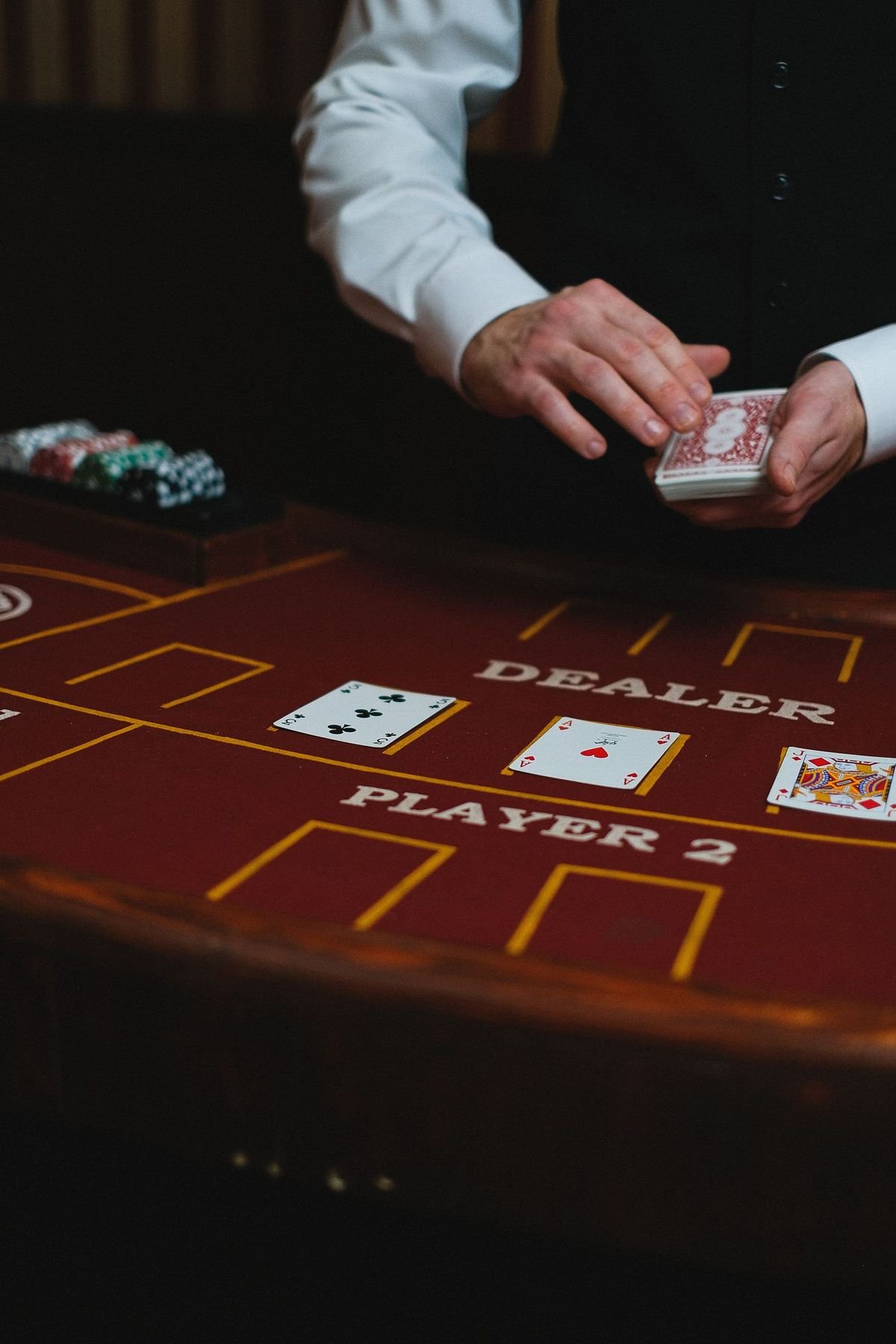
If you have ever sat down at a casino table and wondered what is a casino dealer, you are not alone. I remember my first time at a blackjack table, watching the person behind the chips move too fast to follow. They dealt the cards, paid my wins, collected my losses, and kept the table smiling — all without missing a beat. It looked easy from my side of the table. It is not.
A casino dealer runs a table game: dealing the cards, spinning the wheel, paying winners, collecting losing bets, and keeping the game moving at the right pace. They are also called a croupier, especially in European casinos and at roulette tables. They do not play against you the way a poker opponent does — they enforce the rules, fairly, for everyone at the table.
Table of Contents
What Is a Casino Dealer? The Short, Honest Answer
So, what is a casino dealer in plain terms? A trained casino employee who operates a table game — dealing cards, managing bets and chips, paying winners, and making sure the game follows the rules. They work for the house, not the players, with no stake in who wins or loses. Their job is to run the game correctly, quickly, and fairly.
That neutrality is the whole point of the role. When you win, the dealer pays you with a smile; when you lose, they sweep your chips away with the same smile. They follow strict procedures for every action — how cards are dealt, how chips are stacked, how payouts are calculated — so every player gets exactly the same treatment. Croupier is the same job under a different name, used most at roulette and in European casinos.
The Dealer’s Role on the Casino Floor
The dealer’s role is bigger than most people realise. They deal the cards and spin the wheel, but they are also the game’s referee, cashier, timekeeper, and often its host. A confused new player gets the rules explained; a disagreement gets settled; a celebration gets shared; a heavy loss gets a steady hand.
Every dealer works within strict procedures: cards dealt in a set order, chips stacked in set denominations, payouts following fixed rules. Consistency protects everyone — without it, players could never be sure the game was fair, nor the casino sure the dealer was honest.
Dealers also keep the game moving. A table that moves too slowly bores players; one that moves too fast confuses them and causes mistakes. A good dealer finds the rhythm — quicker with experienced players, slower when a beginner needs a moment. If you are still asking what is a casino dealer beyond the cards and chips, this is the answer: they are the person holding the whole table together.
Blackjack and Roulette: The Dealer’s Most Familiar Tables
If you picture a casino dealer, you are probably picturing a blackjack dealer, because blackjack is the game most dealers learn first. At a blackjack table, the dealer shuffles and deals, asks each player to hit or stand, plays their own hand by fixed rules — hitting on 16, standing on 17 — then pays or collects. The dealer never decides their own hand — the rules do.
Blackjack dealing is where card-handling skill shows: dealing from a multi-deck shoe, sliding cards across the felt, flipping the hole card cleanly, and announcing totals — all while tracking every hand and bet.
Roulette is a different kind of work. The roulette dealer — often called the croupier — spins the wheel, launches the ball, announces “no more bets,” and pays the winners. Roulette payouts are the fiddliest in the casino: a straight-up bet pays 35 to 1, a split 17 to 1, a corner 8 to 1 — worked out in chips, for several players at once, without a calculator. If you want to see what is a casino dealer capable of at full speed, watch a roulette table after a big spin.
Craps, Baccarat, and Poker: The Other Games
Craps is the loudest table in the casino, and it takes the most dealers — usually four as a team. Two handle bets and payouts on either side, a stickman moves the dice and calls the rolls, and a boxman supervises and watches the chips. Bets land all over a huge table and the pace is fast — craps dealing is a team skill. If you are learning what is a casino dealer by watching craps, you are watching the hardest version of the job.
Baccarat is quieter but no less precise. The dealer deals two hands — Player and Banker — under strict drawing rules that decide whether a third card is drawn. The job is to deal correctly, announce the result, take the commission on Banker wins, and keep the game moving.
Poker is the odd one out, because the dealer does not play at all. In a poker room, the dealer shuffles and deals, manages the pot, enforces the betting order, and makes sure nobody acts out of turn — with no hand of their own and no stake in the outcome. They read the table, spot angle-shooting, control the pace, and stay neutral while players argue. A good poker dealer is almost invisible when the game runs well.
Chip Handling and Payouts: The Skill Nobody Sees
Ask any dealer what the hardest part of the job is and many will say the chips. Chip handling looks simple until you try it. Dealers stack chips in neat piles of twenty, cut stacks with one hand, and push exact payouts across the felt without counting them one by one — a skill that takes months of practice to become automatic.
Payouts are where the maths matters. A blackjack pays 3 to 2, so a £10 bet wins £15. A roulette straight-up pays 35 to 1; a craps place bet on the 6 pays 7 to 6. The dealer works these out instantly, in chips, for several players at once, while keeping the game moving. Get a payout wrong and the whole table notices — which is why dealers practise payouts relentlessly in training.
Dealers also keep each player’s bets in a clear area of the table, and they announce bets and payouts out loud so everyone can hear. This is not just good service; it is protection — if a player later claims they were paid short, the cameras and the other players heard the announcement. Transparency is built into every movement a dealer makes — one more reason the answer to what is a casino dealer is never just “the person who deals the cards.”
Game Integrity: How Dealers Spot Cheating
One part of the job players rarely think about: the dealer is the casino’s first line of defence against cheating. If you are wondering what is a casino dealer responsible for beyond dealing, the answer is the integrity of every game they run — cards, chips, bets, and players, all watched at once.
Dealers are trained to spot the classic cheating moves: past posting (adding chips to a winning bet after the result is known), pinching chips off a losing bet, marking or switching cards, and signalling between players. They also watch for collusion — two players working together to beat the house. Most of this is subtle — a hand moving oddly near a bet, a bet changing size at a strange moment.
The key is that dealers do not accuse anyone. If something looks wrong, they keep the game running, follow procedure, and quietly alert the floor supervisor or surveillance. The dealer is the eyes on the ground who knows when to ask the cameras for a closer look. A good dealer stays calm and polite even when sure something is off, because an accusation without proof helps nobody. Dealers also protect the game from honest mistakes, and fairness cuts both ways.
Pace of Play, Etiquette, and Talking to the Dealer
A big part of the job is managing people, not just cards — every table has its own mood, and the dealer sets it. A friendly, chatty dealer makes beginners feel welcome; a brisk, professional one suits serious players. Reading the table and adjusting takes years to learn, and it is a large part of what is a casino dealer good at when the cards are only half the job.
Pace matters more than most players realise. A dealer who rushes beginners makes them nervous; one who dawdles frustrates experienced players. Good dealers watch their players — slowing down for someone counting chips, speeding up when everyone is ready, giving a new player an extra beat without making a fuss.
A few etiquette points are worth knowing. Do not touch your cards in blackjack when dealt face up, or your chips once the dealer has called “no more bets” at roulette. Do not hand cash or chips directly to the dealer — place them on the table. If you are unsure about a rule, just ask: dealers would much rather explain than fix a mistake later. You can chat with the dealer too — most enjoy a bit of conversation. Just remember they are working, and cannot advise your play.
Shifts, Breaks, Training, and Licensing
Casino dealers work unusual hours, because casinos never close. Shifts are usually eight hours, often running late into the night or through the early morning, and dealers rotate tables every twenty to forty minutes to stay fresh. They get regular breaks — typically twenty minutes after every hour of dealing — because concentration is everything and a tired dealer makes mistakes.
Training takes time. New dealers usually go through a dealer school or in-house programme lasting several weeks, learning one game at a time — blackjack first, then roulette, then the rest. Trainees practise dealing, chip handling, and payouts for hours a day before facing a real player, and pass accuracy and speed tests before reaching the floor.
Licensing is another part of the job players never see. In most regulated markets, dealers need a gaming licence or work permit before they can deal, involving a background check and sometimes fingerprinting. The licence must be renewed, and losing it means losing the job — one more reason dealers follow procedures so carefully. If you are wondering what is a casino dealer paid, the honest answer is that it varies a lot by country, casino, and experience, and the base wage is generally modest — which is why tips matter.
Tips and Tipping: How Dealers Earn
Tips are a big part of a dealer’s income. In many casinos they are pooled into a shared pot split among the dealers; in others, dealers keep their own. Either way, tipping is how players say thank you.
There are two common ways to tip. The simplest is to place a chip on the table and say it is for the dealer — on the table, never in their hand. The other is to place a bet for the dealer: put a chip down, say “for the dealer,” and if it wins, the dealer keeps the winnings. Dealers love this kind of tip — it makes them part of the game — and it is a quiet part of what is a casino dealer takes home each shift.
How much should you tip? There is no fixed rule. A small tip after a decent win is normal; a bigger one after a big win is generous. Tipping is a thank-you, not a payment for better treatment — a dealer gives you the same fair game whether you tip or not. Do not tip expecting help winning: they cannot help, and will not try. Tip because the service was good, not because you want an edge — there is no edge to buy.
Dealers vs Pit Bosses, Floor Supervisors, and Live Dealers Online
So how does a dealer differ from the other staff on the floor? The dealer runs one table. The floor supervisor watches several tables, settles disputes, and checks the dealer’s work. The pit boss runs a whole pit — a section of tables — handling bigger decisions like approving large payouts. For the full picture, my guide on what a casino pit boss does breaks the hierarchy down. When a player disagrees with a dealer’s call, the dealer calls the supervisor, who reviews and decides — that chain of command keeps disputes fair.
The job also looks different online. Live-dealer games use real dealers, dealing real cards in a studio, streamed to your screen. They are trained the same way, but the pace is slower, interaction happens through a chat box, and the dealer cannot see you. If you are learning what is a casino dealer from live-dealer games, remember the person on your screen is a real dealer doing a real job — just in a studio, not on a casino floor. For a clear explanation of the role, the guide at SoMuchPoker on what a casino dealer does is a useful reference. The biggest difference is atmosphere: on a real floor the dealer is part of the room — the noise, the chips, the other players — while online it is quieter and more controlled.
Frequently Asked Questions
How long does it take to become a dealer?
Most programmes run several weeks per game, blackjack first. A new dealer adds games over time — covering every table takes months or longer.
Do dealers need a licence to work in a casino?
In most regulated markets, yes — dealers need a gaming licence or permit, involving a background check and sometimes fingerprinting. It must be kept current; serious rule-breaking can cost a dealer their licence and job.
Can a dealer help me win?
No. A dealer follows strict procedures and has no control over the cards or the wheel. They cannot advise you on how to play, and have no stake in the outcome — their job is a fair game for everyone.
Why do dealers rotate tables so often?
Dealers usually change tables every twenty to forty minutes. Rotation keeps them alert, prevents fatigue, and stops relationships forming that could compromise the game. It is routine security, not a sign of anything wrong.
Is a croupier the same thing as a dealer?
Broadly, yes. Croupier is the traditional term, used most for roulette and in European casinos; dealer is more common in American casinos and card games. In everyday use, the two words describe the same job.
I first asked what is a casino dealer because I wanted to understand the person across the table, and the answer turned out bigger than I expected. The dealer is not just someone who hands out cards — they are the referee, cashier, timekeeper, and host of the game, all at once, doing maths in their head while keeping a table of strangers happy. That is what is a casino dealer. Next time you sit down, watch the dealer work — the game runs smoothly because of them, and a little respect, and a tip when you win, goes a long way.
Gamble responsibly. 18+ only.
Author

hamzayounus355@gmail.com
Related Posts
What Is a Push in Blackjack? Tie Rules, Examples and Strategy, Explained
- 0
- 2,994 words
The first time I ever saw a push, I thought the dealer had made a mistake. I was sitting at a small...
Read out all
What Is a 3 Bet in Poker? Meaning, Sizing and Strategy, Explained
- 0
- 2,970 words
The first time someone re-raised me before the flop, I had no idea what had just happened. I was playing a friendly...
Read out all
What Is a Poker Kicker? Rules, Examples and Strategy, Explained
- 0
- 3,085 words
What Is a Poker Kicker? Rules, Examples and Strategy, Explained The first time I lost a pot I was sure I had...
Read out all
What Is a Craps Horn Bet? Payouts, Odds and Rules, Explained
- 0
- 3,036 words
What Is a Craps Horn Bet? Payouts, Odds and Rules, Explained The first time I heard someone at a craps table shout...
Read out all
How to Play Online Poker for Real Money: A Beginner’s Guide, Explained
- 0
- 3,123 words
How to Play Online Poker for Real Money: A Beginner’s Guide, Explained I still remember the night I first typed how to...
Read out all
How to Play 5 Card Draw Poker: Rules, Draws and Strategy, Explained
- 1
- 3,088 words
How to Play 5 Card Draw Poker: Rules, Draws and Strategy, Explained The first time someone asked me how to play 5...
Read out all
1 comment