
- 0
- 3,308 words
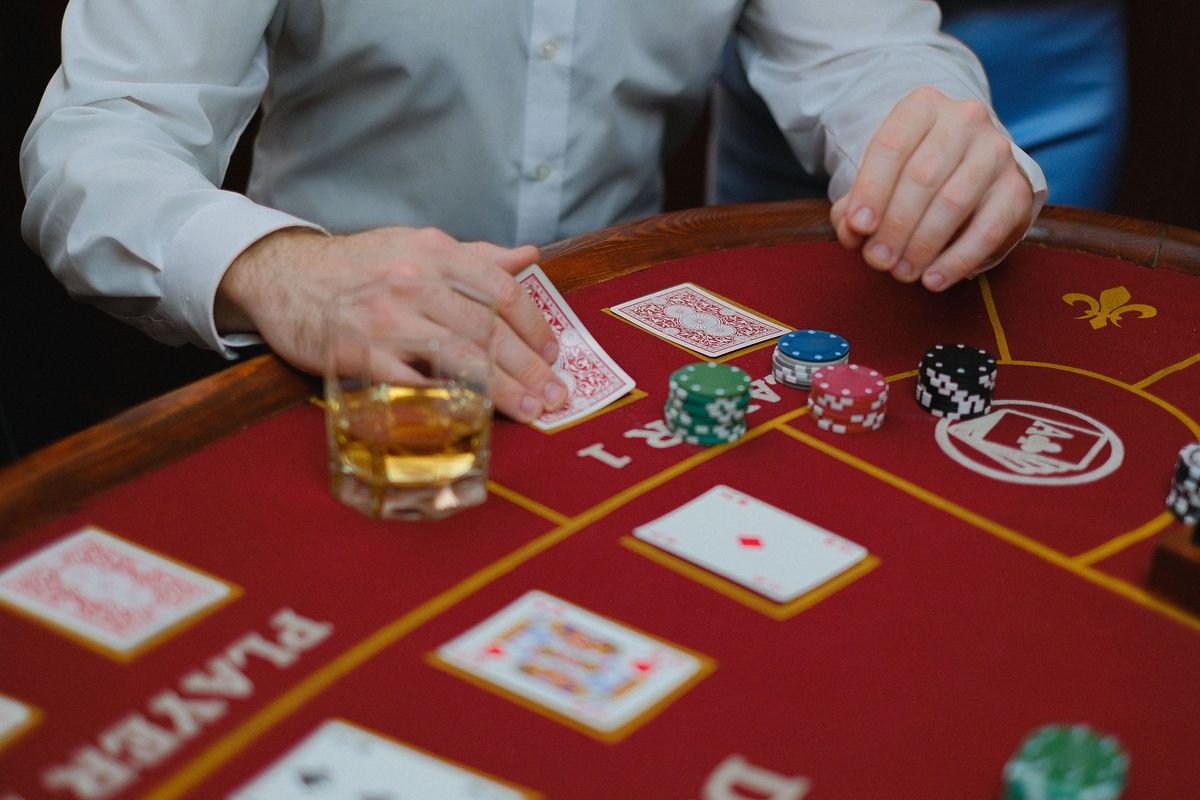
I still remember my first time at a baccarat table. I had watched a few hands from behind the rail and thought I had spotted a pattern the other players had missed. I bought in, placed my first bet, and lost it in about thirty seconds. That was my introduction to the honest truth behind how to win at baccarat: there is no secret move, no magic system, and no shortcut past the maths. What you can do is understand the odds, pick the best bet, and manage your money like someone who plans to walk out with some of it.
That is what this guide is about. I am not going to sell you a winning system, because there is not one, and anyone who says otherwise is selling something. What I will do is explain how to win at baccarat as well as anyone can — playing the lowest-edge bet, skipping the sucker bets, ignoring the scoreboards, and setting limits you actually keep. If you are new to the game, start with the basics first, then come back here once you know your way around a hand.
Table of Contents
How to Win at Baccarat: Start With the Odds, Not a System
The first thing I had to accept is that baccarat is a game of chance, pure and simple. You do not make decisions during a hand the way you do in blackjack: you place your bet, the cards are dealt according to fixed rules, and the result is what it is. Nobody at the table can change the cards, so the only real choice you make is which bet to place and how much to stake on it.
That single choice is where the odds live. Every bet carries a house edge — the small percentage the casino expects to keep over the long run. The banker bet carries a house edge of about 1.06%, the player bet about 1.24%, and the tie bet a punishing 14.36%. Those numbers are the whole game: if you want the best possible shot, you bet banker, you avoid the tie, and you accept that even the best bet still loses a little over time. The headline is simple — pick the lowest-edge bet, every hand, and stop looking for something cleverer.
Baccarat is also a slow, calm game compared with most table games: no big decisions, no bluffing, no counting down a deck in your head. That calm is part of its charm, and it is also a trap, because it makes it easy to sit there for hours without noticing how much you have staked. A session limit matters more in baccarat than in almost any other game for exactly that reason.
How a Hand of Baccarat Is Scored
Each hand is a contest between two sides, Player and Banker, and you bet on which will finish closer to nine. You bet on Player, on Banker, or on a tie — you are not playing as the Player side yourself, just a spectator with money on the outcome, which is one reason the game feels so relaxed.
Cards have fixed values: aces count as one, cards from two to nine count at face value, and tens, jacks, queens, and kings count as zero. Add the two cards together, and if the total is ten or more, drop the first digit — so a seven and an eight add up to fifteen, which counts as five. The highest possible hand is nine, called a natural, and it is an automatic winner unless both sides have one.
You do not need to do any of this maths yourself — the dealer handles the scoring and pays out the bets. But knowing how it works stops you from being confused when a hand that looks like fifteen is called five, and it stops you from falling for the idea that you can somehow out-think the dealing. The scoring is fixed, the rules are fixed, and your only job is the betting decision before the cards come out.
The Drawing Rules, in Plain English
Each side starts with two cards. If either side has a natural eight or nine, the hand ends right there — no more cards, and the higher natural wins. If neither side has a natural, a third card may be drawn, and this is where people expect a decision to happen. There is none: the drawing follows fixed rules the dealer applies every time, and no player gets a say.
The Player side draws a third card on five or less and stands on six or seven. The Banker side is a little more complicated: whether it draws depends on its own total and on the Player’s third card, if one was drawn. The details are printed on the table layout, and honestly, you do not need to memorise them — the dealer knows them by heart, and the rules never change.
Why does this matter? Because it is the final proof that baccarat gives you nothing to decide after you bet. In blackjack your choices change your odds. In baccarat the drawing rules are automatic, so the house edge on each bet is locked in before the first card is dealt. Once you accept that, a lot of the nonsense sold around this game — the systems, the patterns, the hunches — falls apart on its own.
The Banker Bet Is the Best Bet — and the Tie Is the Worst
Now to the numbers, because they are the closest thing to a real answer for how to win at baccarat. The banker bet wins slightly more often than the player bet, because the Banker side acts last and its drawing decisions are slightly more favourable. Over thousands of hands, banker wins about 45.9% of the time, player about 44.6%, and the rest are ties. That small gap is why the house edge on banker is about 1.06%, the lowest of any bet on the table.
There is a catch you should know about before you sit down: winning banker bets pay a 5% commission to the casino. Bet ten on banker and win, and you get your ten back plus nine and fifty, not the full ten. Some casinos offer a commission-free version, but those usually pay reduced odds on certain banker wins, so read the table rules first. Even after commission, banker is still the best bet on the table, and it is the bet I place most often.
The player bet is only slightly worse, at about 1.24% house edge, and it pays even money with no commission. If you simply prefer betting on player, you are not making a terrible mistake. The tie bet is a different story: it pays eight to one, which looks generous, but it only wins about 9.5% of the time, and its house edge is around 14.36%. That is a terrible bet dressed up as a big payout, and the single easiest way to drain a bankroll at a baccarat table. The maths behind all of this is laid out clearly by the Wizard of Odds baccarat guide, which I recommend if you like seeing the numbers worked out in full.
Mini-Baccarat vs Punto Banco: What’s the Difference?
If you walk into a casino and see two different baccarat tables, they are probably mini-baccarat and punto banco, and the difference is mostly about size, speed, and stakes. Punto banco is the classic version, played on a large table with up to fourteen seats, where players take turns dealing from the shoe. It has a formal atmosphere, higher minimums, and it is the version you will see in films and high-limit rooms.
Mini-baccarat is the same game with the ceremony stripped out. The table is smaller, shaped like a blackjack table, with seven seats, and the dealer handles all the cards. Nobody passes the shoe around, the pace is faster, and the minimum bets are usually much lower, which is why most casual players end up there. The rules, the odds, and the house edges are exactly the same as punto banco.
Online, you will mostly find mini-baccarat or a digital version of punto banco. The only difference worth noting is pace: a faster game means more hands per hour, and more total money staked if you bet the same amount each hand. Remember that when you set your session budget — fifty hands at a fast online table can pass in the time it takes to play twenty at a slow live one.
Why Betting Systems Don’t Change the Odds
At some point, every baccarat player meets someone with a system. The most famous is the Martingale, where you double your bet after every loss, so that one win recovers everything you lost plus a small profit. It is one of the oldest ideas in gambling, and it is also a trap: losing streaks happen more often than people expect, and the bets grow terrifyingly fast. Lose six hands in a row starting at ten, and your next bet is six hundred and forty; lose eight, and you need over two and a half thousand to keep going. Table limits stop you long before the maths saves you, and a single bad run can wipe out hours of small wins in minutes.
The Fibonacci system is a gentler version of the same idea, where you move up a number sequence after losses and back down after wins. It grows more slowly and feels safer, but it has the same flaw: it changes the size of your bets, not the odds. No sequence of numbers can turn a bet with a 1.06% house edge into a profitable one. The cards do not know what you staked last hand.
This is the part I wish someone had told me before my first session. Betting systems feel like control, and that feeling is exactly why they are dangerous — they let you believe you are being clever while you stake more and more on a game whose odds never move. The honest version of how to win at baccarat is much duller: bet the same sensible amount on banker, and stop when your session limit is reached.
Pattern Tracking and Scoreboards: Why They Fool You
Every baccarat table has a scoreboard — sometimes an electronic display, sometimes a paper card and pencil — showing the results of recent hands. Players study these little grids like weather charts, looking for streaks and trends. I have watched people wait ten hands for a pattern to form before placing a single bet, convinced they were being patient and clever.
Each hand of baccarat is independent. The shoe does not remember what happened last hand, and the next card has no idea banker has won four times in a row. A streak does not make a player win more likely, or another banker win more likely — the odds reset with every deal. The scoreboard is there because casinos know players love patterns, and players who wait for patterns still sit at the table, still order drinks, and still eventually bet.
That said, I understand the appeal. Watching a scoreboard makes the game feel like a puzzle instead of a coin toss, and it gives you something to do between hands. If tracking patterns makes the game more fun, go ahead — just never let it decide how much you stake. No scoreboard can teach you how to win at baccarat, because the next hand owes nothing to the last one. The moment a scoreboard tells you to double your bet, it has stopped being entertainment and started costing you money.
Bet Sizing and Bankroll Limits That Actually Work
If there is one skill that genuinely improves your results at baccarat, it is deciding your stakes before you sit down. A bankroll is simply the amount of money you are willing to spend on a session, and the golden rule is that it should be money you can afford to lose — entertainment money, not rent money, not bill money. I decide mine before I leave the house and keep it separate from everything else, so I cannot accidentally spend more than I planned.
A sensible approach is to divide your session bankroll into small, equal bets. Bring two hundred and bet ten a hand, and you get twenty hands at minimum — a session long enough to enjoy. Bet fifty a hand on the same bankroll and you get four hands, which is not a session, it is a coin toss with extra steps. Small, steady bets will not change the house edge, but they stretch your playing time and stop a short cold streak from ending your night in ten minutes.
The other half of this is the win limit, which almost nobody sets and almost everybody regrets skipping. Decide in advance how much profit would make you happy — say, fifty on a two-hundred bankroll — and when you hit it, walk away, or at least pocket the profit and play only with what is left. But the house edge works on every hand you play, and the longer you stay, the more hands it gets to work on. Short, disciplined sessions are the closest thing to a winning habit this game allows, and learning how to win at baccarat really comes down to that discipline more than anything else.
When to Walk Away (and How to Stick to It)
Knowing when to stop is easy to say and hard to do, so here is what actually works for me. I set two numbers before I play: a loss limit and a win goal. The loss limit is the amount I am prepared to lose, and when I reach it, I stop — no last hand, no trying to win it back, no borrowing from tomorrow’s budget. The win goal is the profit that would make me happy, and when I reach that, I stop too, or at least bank the winnings and only keep playing with a small part of them.
The reason for both numbers is the same: your judgement gets worse the longer you play. After a losing run, you feel desperate to recover, and that is when people double their bets and chase. After a winning run, you feel untouchable, and that is when people raise their stakes and give it all back. Both feelings are normal, and both are terrible advisers. The limits you set while you are calm are the only ones worth trusting — and knowing when to leave the table is a bigger part of how to win at baccarat than any betting pattern ever will be.
It helps to make stopping physically easy. Playing online? Set the casino’s own deposit and session limits before you start — every licensed casino offers them, and they work even when your willpower does not. In a real casino, leave your bank card at home and take only your session bankroll in cash. Give yourself something to do next — dinner, a walk, a call with a friend — because a session ends much more easily when there is somewhere pleasant to go.
Common Baccarat Myths Worth Dropping
Baccarat attracts more myths than most casino games, and most of them cost people money. The first is the hot streak myth: the idea that a table, a dealer, or a player is running hot, and that you should ride the wave while it lasts. Streaks happen in any random game, the way heads can come up five times in a row when you flip a coin. They look meaningful after the fact, but they predict nothing about the next hand.
The second myth is card counting. It works in blackjack because the cards you have seen change the composition of the deck that remains. In baccarat, the effect is so tiny that even a perfect counter gains almost nothing — you would need to track the shoe for hours to find a single hand worth betting more on, and casinos shuffle long before that matters. Anyone selling a baccarat card-counting course is selling you a fantasy.
The third myth is that some bets are due. After five player wins in a row, people say banker is due, as if the cards owe them something. They do not — the shoe has no memory and no sense of fairness. The fourth is that squeezing the cards, blowing on them, or betting beside a lucky player changes anything. It does not, though I will admit it can be fun, and fun is a fine reason to do something as long as you know it is only fun. If you want a real edge, the only honest answer to how to win at baccarat is the boring one: bet banker, keep your stakes small, and leave while you are ahead.
Frequently Asked Questions
Can you actually win at baccarat?
Yes, you can win individual sessions — plenty of players walk away ahead on a given night. What you cannot do is beat the game over the long run, because every bet carries a house edge no strategy removes. The honest version of how to win at baccarat is to play the lowest-edge bet, keep your stakes small, and treat any profit as a good night, not a reliable income.
What is the best bet in baccarat?
The banker bet, with a house edge of about 1.06% after the 5% commission on wins. The player bet is a close second at about 1.24% with no commission. Avoid the tie bet: it pays eight to one but carries a house edge of around 14.36%.
Does card counting work in baccarat?
No, not in any practical sense. The effect of counting cards in baccarat is so small that even perfect tracking barely moves the odds, and you would need to follow the shoe for hours to find a single hand worth a bigger bet. Casinos shuffle before that point, so if you are looking for how to win at baccarat, card counting is not the way — simply betting banker is a better use of your time.
Should I use the Martingale system at baccarat?
I would not. Doubling after every loss sounds logical, but losing streaks are common, the bets grow very fast, and table limits stop you from recovering. A short run of losses can wipe out many small wins, so flat, steady betting on banker is far safer.
How much money should I bring to a baccarat table?
Bring only what you can afford to lose, and decide the amount before you play. Divide your session bankroll into at least twenty equal bets — a two hundred bankroll means ten per hand. The smartest answer to how to win at baccarat starts before you sit down: set a loss limit and a win goal, and keep both.
Baccarat is one of the most relaxing games in the casino, and that is why it rewards discipline more than cleverness. There is no decision to master, no system to memorise, and no pattern worth chasing. Bet banker, skip the tie, stake small, and walk away when your limits say so. That is the closest thing to a real answer for how to win at baccarat — and honestly, it is the only shot anyone has.
Gamble responsibly. 18+ only.
Author

hamzayounus355@gmail.com
Related Posts

What Is a Push in Blackjack? Tie Rules, Examples and Strategy, Explained
- 0
- 2,994 words
The first time I ever saw a push, I thought the dealer had made a mistake. I was sitting at a small...
Read out all
What Is a 3 Bet in Poker? Meaning, Sizing and Strategy, Explained
- 0
- 2,970 words
The first time someone re-raised me before the flop, I had no idea what had just happened. I was playing a friendly...
Read out all
What Is a Poker Kicker? Rules, Examples and Strategy, Explained
- 0
- 3,085 words
What Is a Poker Kicker? Rules, Examples and Strategy, Explained The first time I lost a pot I was sure I had...
Read out all
What Is a Craps Horn Bet? Payouts, Odds and Rules, Explained
- 0
- 3,036 words
What Is a Craps Horn Bet? Payouts, Odds and Rules, Explained The first time I heard someone at a craps table shout...
Read out all
How to Play Online Poker for Real Money: A Beginner’s Guide, Explained
- 0
- 3,123 words
How to Play Online Poker for Real Money: A Beginner’s Guide, Explained I still remember the night I first typed how to...
Read out all
How to Play 5 Card Draw Poker: Rules, Draws and Strategy, Explained
- 1
- 3,088 words
How to Play 5 Card Draw Poker: Rules, Draws and Strategy, Explained The first time someone asked me how to play 5...
Read out all