
- 0
- 3,092 words
If you have ever wondered how to play casino stud poker, you are not alone — I was in exactly the same spot the first time I saw a stud table in a casino. The game looked slower and quieter than the Hold’em tables nearby, and I had no idea what any of it meant. I have since learned that stud is one of the most rewarding poker games you can play, and I wrote this guide to how to play casino stud poker in plain language, step by step, so you can sit down at your first table feeling prepared instead of lost.
Stud poker is the older cousin of the games most people know today. Long before Texas Hold’em took over television and the internet, seven card stud was the game played in card rooms across America. It is still dealt in casinos and online poker rooms, and it has a loyal following because it rewards memory, patience, and careful observation. There are no shared cards to hide behind, so every decision is yours alone.
How to Play Casino Stud Poker: The Basics
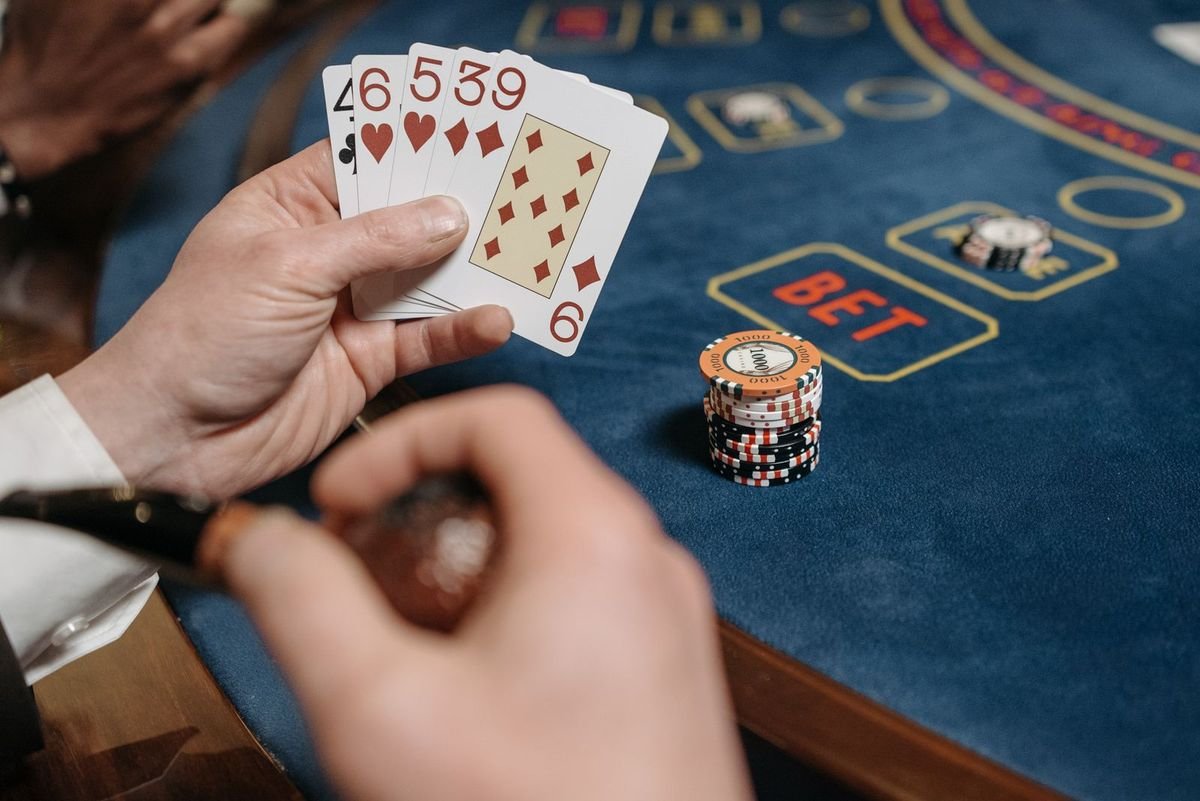
The first thing to understand about how to play casino stud poker is that there are no community cards at all. Every player is dealt seven cards of their own over the course of a hand — three face down and four face up — and the best five-card poker hand at the showdown wins the pot. The game uses a standard 52-card deck and seats between two and eight players, though seven or eight players make for the liveliest tables.
A full hand of seven card stud has five betting rounds, each named after the street it belongs to: third street, fourth street, fifth street, sixth street, and seventh street. The names sound old-fashioned because they are, but it helps to know them, because the dealer and the other players will use them constantly.
Almost every stud game in a casino is fixed-limit, which means the size of each bet is set in advance. A $2/$4 game allows $2 bets on the early streets and $4 bets on the later ones. There is no going all-in, and that is good news for a beginner: your losses are capped by the structure, and nobody can bully you out of a pot.
What Is Stud Poker — and How It Differs from Texas Hold’em
If you have only ever played Texas Hold’em, stud will feel familiar in some ways and strange in others. In Hold’em, everyone shares five community cards and combines them with two private hole cards. In stud, there is nothing shared at all: your seven cards are yours alone, and four of them are dealt face up for the whole table to see. That difference changes how to play casino stud poker from the ground up, because information is everywhere — you can see most of your opponents’ hands taking shape right in front of you.
The other big difference is the pace. Hold’em moves fast, with big pots decided in a few betting rounds. Stud is slower and more deliberate, with five betting rounds and far more information to weigh before each decision. That slower pace is what many players love about it: you have time to think before a decision costs you real money. If you already know the basics of Hold’em, our guide on how to play Texas Hold’em online will help you see where the two games part ways.
One more difference is worth knowing before you sit down. In Hold’em, the player with the dealer button acts last, and position rotates around the table. In stud, there is no button and no blinds: the betting order on each street is decided by the cards showing on the table, so your position changes from hand to hand and even from street to street. I will explain exactly how that works in the next sections.
The Setup: Antes, the Deal, and Third Street
Every hand of seven card stud begins with an ante. Before any cards are dealt, each player puts a small forced bet into the pot — usually a fraction of the small betting limit. The ante gives the pot something worth fighting for, but it is not a reason to play every hand: that money is gone either way, so treat it as the price of admission, not as a reason to stay in a bad hand.
Once the antes are in, learning how to play casino stud poker really begins with the deal. Each player receives two cards face down, called hole cards, and one card face up, called the door card. Only you can see your hole cards, but everyone can see your door card, and that is the start of the information game that makes stud so interesting.
Then comes the first betting round, known as third street. The player showing the lowest upcard must post the bring-in, a small forced bet that starts the action. If two players show the same lowest rank, the suit breaks the tie, with clubs counting as the lowest suit, so a two of clubs would bring it in ahead of a two of spades. The bring-in player can post that small amount, or complete the bet by raising it to the full small limit. After that, the action moves clockwise, and each player can fold, call, or raise. If nobody raises, the bring-in player gets the last say in the round.
Fourth Street, Fifth Street, and Sixth Street
After the first betting round, each player still in the hand receives another card face up. This is fourth street, and from here on the betting order changes: the player with the best showing hand acts first, not the player to the dealer’s left. A pair showing beats a high card, and a higher pair beats a lower pair. This is one of the first things new players get wrong, so watch the table for a hand or two before you play and you will see the pattern quickly.
By fourth street, how to play casino stud poker starts to feel like a puzzle you can actually solve, because you can see three of your opponents’ cards while your own hand takes shape. The betting on fourth street is still at the small limit, with one useful exception: if a player has a pair showing among their upcards, anyone in the hand may choose to bet or raise at the big limit instead. It is a small rule, but it can double the cost of the round, so pay attention when a pair appears on the board.
Fifth street brings another face-up card, and this is where the betting jumps to the big limit for the rest of the hand. Sixth street brings a fourth upcard, and another round of betting at the big limit follows, again led by the best hand showing. By now the strong hands are obvious and the weak ones have usually folded, which is why most of your decisions in stud are really made on third and fourth street. The later streets are about getting value from a good hand or getting out cheaply from a bad one.
Seventh Street, the Showdown, and Fixed-Limit Betting
Seventh street, also called the river, is the last card of the hand, and it is dealt face down. You now hold three cards nobody can see and four cards everyone can see, and the final betting round follows at the big limit, again led by the best showing hand. The last betting round is where how to play casino stud poker rewards patience more than courage, because by now you know exactly what you have and can see almost everything your opponents have. If your hand has not improved and someone else is showing a monster, this is the moment to fold and save your chips.
If two or more players are still in after the final betting round, the hand goes to a showdown. Everyone turns over their hole cards, and the best five-card poker hand made from any five of the seven cards wins the pot. If two players hold identical five-card hands, the pot is split evenly between them — there is no tiebreaker in poker for matching hands.
The fixed-limit structure is what keeps the game affordable and predictable. In a $2/$4 game, the small bet is $2 and the big bet is $4: third and fourth street use the small bet, and fifth, sixth, and seventh street use the big bet. Most casinos also cap raises at one bet and three raises per round, so the most you can lose in any one round is four bets. One quirk is worth knowing: with eight players, there are not quite enough cards in a 52-card deck for everyone to receive seven cards. If the deck runs short on seventh street, the dealer puts a single community card face up in the middle of the table, and everyone shares it as their final card. It is rare, but it happens, and now you will not be confused when it does.
Hand Rankings: A Quick Recap
Stud uses the same hand rankings as every other form of poker, so if you already know them, you can skim this section. From strongest to weakest: royal flush, straight flush, four of a kind, full house, flush, straight, three of a kind, two pair, one pair, and high card. The best five of your seven cards make your hand, so a pair on the table plus a pair in your hand is two pair, and three cards of the same rank make three of a kind.
Two things about rankings matter more in stud than in other games. First, because you can see so many of your opponents’ cards, you can often tell when your hand is beaten before the showdown — if you are chasing a flush and you can see three of your suit already folded, your draw is dead. Second, strong starting hands matter more here, because you are building a hand over five betting rounds instead of two. A pair of aces in your first three cards is a genuinely strong start, while a small pair with weak kickers quietly drains your chips over a long session.
Reading Your Opponents’ Upcards
Reading upcards is one of the most satisfying parts of how to play casino stud poker, and it is a skill no other popular poker game teaches in quite the same way. By sixth street, you can see four cards in every opponent’s hand, so you know a lot about what they can and cannot have. A player showing three cards of the same suit is probably chasing a flush. A player showing a pair and a high card is probably sitting on two pair or better. A player showing four disconnected low cards is probably hoping for a miracle that is not coming.
Just as important as the cards still on the table are the cards that have left it. When a player folds, their upcards stay visible in your memory — and in a live game, you can often still see them sitting face up in front of the empty seat. Those folded cards are called dead cards, and they change the value of your hand. If you hold two kings and have seen two other kings folded, only one king is left in the deck, so your chance of making three of a kind is much smaller than it looks. Tracking dead cards is the single habit that separates winning stud players from the rest of the table.
There is also a quieter kind of reading: watching how people bet. A player who suddenly raises on fifth street after calling quietly all hand probably just made their hand. A player who checks with the best hand showing may be trapping, or may simply be weak. In stud, the betting tells the story of the hand, and the upcards let you check whether that story makes sense.
Beginner Strategy Tips and Common Mistakes
The simplest strategy tip for how to play casino stud poker well is to start with strong three-card hands and fold the rest. On third street, look for three of a kind, a high pair, or three cards to a straight or flush that include at least one high card. If your first three cards do not fit one of those patterns, folding is almost always the right move, and it costs you nothing but the ante. Stud punishes curiosity more than almost any other poker game, because every street you stay in costs another bet.
Once you are in a hand, keep watching the dead cards. If you are drawing to a flush and two of your suit are already gone, your odds have dropped sharply. If you are chasing a straight and the cards you need are showing on other players’ boards, stop chasing. And remember that your upcards tell a story too — if you are showing a pair of aces, your opponents will respect your bets, and you can win pots with a strong bet even when your hidden cards are not as good as they look.
The mistakes I see most often from beginners are all variations of the same habit: playing too many hands and staying in too long. Chasing a flush with three low suited cards, calling bets with a small pair when a bigger pair is showing, and refusing to fold a hand that was good on fourth street but is clearly beaten by sixth street — these are the leaks that empty a chip stack. Another common mistake is forgetting that the bring-in and the antes are already spent: do not throw good money after bad just because you have already paid to see your cards. Set a limit before you sit down, and leave the table when you reach it, while you are still enjoying the game.
Stud vs Hold’em vs Omaha — and Where to Play
If you already know Hold’em, how to play casino stud poker will feel familiar in some ways and strange in others. Hold’em gives you two private cards and five shared ones, and the whole game is about reading the board and guessing what your opponents hold. Omaha gives you four private cards, but you must use exactly two of them with exactly three from the board, which makes for bigger hands and wilder swings. Stud gives you seven cards of your own, no board at all, and far more information about everyone else’s hand — which makes it slower, more deliberate, and more about memory and observation than big bluffs.
For the full official-style rundown of the rules, the CardPlayer seven-card-stud guide is worth a read alongside this one.
So where should you actually play stud poker? In a live casino, you get the atmosphere, the physical cards, and the chance to watch real people — but the minimum stakes are usually higher and the games run less often than Hold’em. Online, stud tables run around the clock at much lower stakes, which makes them the best place to learn the game cheaply, and the software handles the betting order and the bring-in for you. Whichever you choose, make sure the casino or site is properly licensed, start at the lowest stakes available, and treat your first sessions as practice rather than a way to make money.
Frequently Asked Questions
How long does it take to learn how to play casino stud poker?
You can learn the basic rules in a couple of hours, and a few low-stakes sessions are usually enough to feel comfortable with the flow of the streets. Playing well takes longer, because reading upcards and tracking dead cards only improve with practice at a real table.
Can I learn how to play casino stud poker online for free?
Yes, most online poker sites offer play-money stud tables where you can practise without risking any real money. These are a good place to learn the betting order and the rhythm of the game, though the play is looser than at real-money tables, so do not assume every habit you pick up there will work for cash.
How many players can play seven card stud at one table?
A stud table seats between two and eight players, and seven or eight players make for the best games. With a full table of eight, the deck can run short on seventh street, in which case a single community card is dealt face up for everyone to share.
What is the bring-in in stud poker?
The bring-in is a small forced bet posted by the player showing the lowest upcard on third street, and it starts the first betting round. That player can post the bring-in amount or complete the bet to the full small limit, and if two players tie for the lowest card, the lowest suit — clubs — decides who posts it.
Is seven card stud harder than Texas Hold’em?
It is different rather than harder, because the skills it rewards are not the same. Hold’em rewards reading the board and judging hidden hands, while stud rewards memory, patience, and reading the cards you can actually see, so many players find one of the two games suits their style better than the other.
Conclusion
Seven card stud is a slower, older, and richer game than the poker most people learn first, and it deserves a place in any poker player’s rotation. You now know the streets, the bring-in, the fixed-limit structure, and the habits that keep beginners out of trouble. The rest is practice: start at the lowest stakes, fold more hands than feels natural, watch the upcards, and let the game teach you the rest.
Gamble responsibly. 18+ only.
Author

hamzayounus355@gmail.com
Related Posts

What Is a Push in Blackjack? Tie Rules, Examples and Strategy, Explained
- 0
- 2,994 words
The first time I ever saw a push, I thought the dealer had made a mistake. I was sitting at a small...
Read out all
What Is a 3 Bet in Poker? Meaning, Sizing and Strategy, Explained
- 0
- 2,970 words
The first time someone re-raised me before the flop, I had no idea what had just happened. I was playing a friendly...
Read out all
What Is a Poker Kicker? Rules, Examples and Strategy, Explained
- 0
- 3,085 words
What Is a Poker Kicker? Rules, Examples and Strategy, Explained The first time I lost a pot I was sure I had...
Read out all
What Is a Craps Horn Bet? Payouts, Odds and Rules, Explained
- 0
- 3,036 words
What Is a Craps Horn Bet? Payouts, Odds and Rules, Explained The first time I heard someone at a craps table shout...
Read out all
How to Play Online Poker for Real Money: A Beginner’s Guide, Explained
- 0
- 3,123 words
How to Play Online Poker for Real Money: A Beginner’s Guide, Explained I still remember the night I first typed how to...
Read out all
How to Play 5 Card Draw Poker: Rules, Draws and Strategy, Explained
- 1
- 3,088 words
How to Play 5 Card Draw Poker: Rules, Draws and Strategy, Explained The first time someone asked me how to play 5...
Read out all