
- 2
- 3,395 words
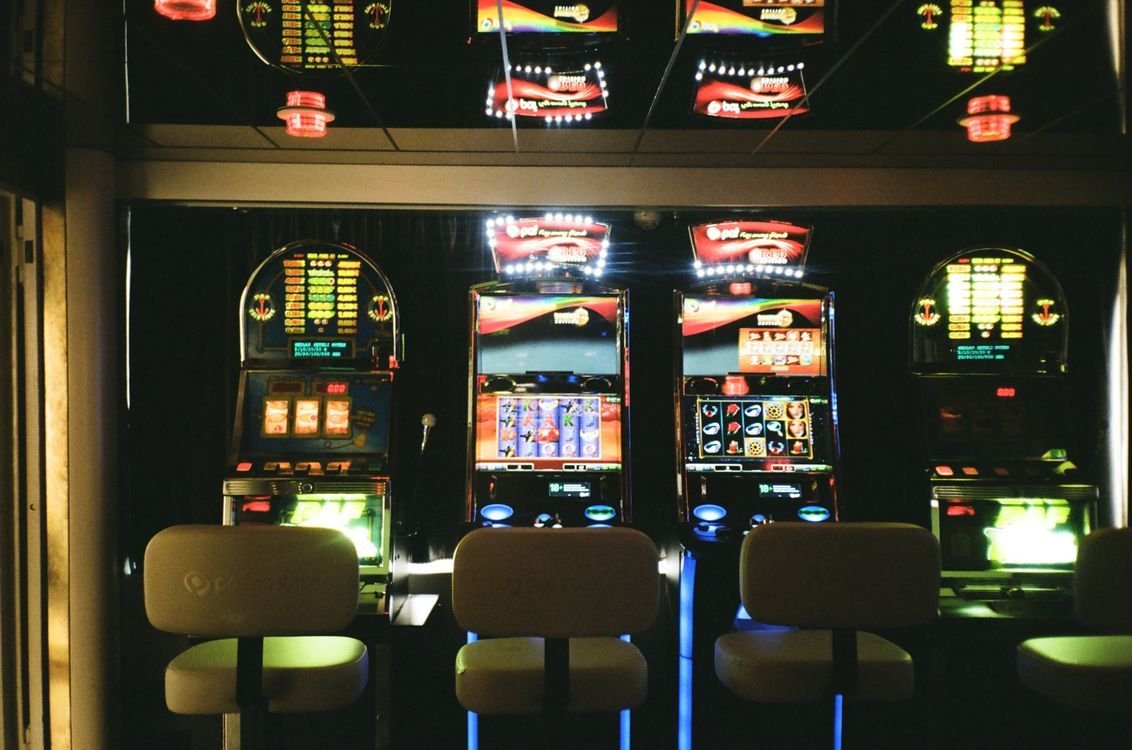
I will be honest with you: the first time I sat down at a slot machine, I did not really understand what I was doing. I put a coin in, pressed a button, watched the reels spin, and hoped for the best. Were the reels actually deciding anything? Was the machine warming up? Did it matter when I pressed the button, or how hard? If you have ever asked how do casino slot machines work, in the real mechanical and mathematical sense rather than the flashing-lights sense, you are in the right place, because I have spent a lot of time since that first confused session finding out.
Here is the short version: a modern slot decides your result with a random number generator the instant you press spin, and the spinning reels are mostly a show put on afterwards to reveal that result. Everything else — paylines, symbols, bonus rounds, return-to-player — is
built on top of that one idea. Once you understand it, the machine stops feeling like a mystery.
Table of Contents
How Do Casino Slot Machines Work? The Short Answer
The simplest answer is this: every spin is an independent random event, decided by software, with no memory of previous spins. When you press spin, the random number generator picks a set of numbers, those numbers are matched to positions on virtual reels, and the symbols on screen display that outcome. Win, and the numbers matched a paying combination on the paytable; lose, and they did not. Nothing you or the machine did on the previous spin had any influence on it.
The rest of this article explains how that random pick becomes the symbols on screen, and why the details matter for your wallet even though they cannot change your luck.
The RNG: The Brain Inside Every Modern Slot
The heart of every modern slot, whether on a casino floor or inside a phone app, is the random number generator, usually shortened to RNG: a computer program generating long streams of numbers constantly, thousands of times per second, even when nobody is playing. It does not pause between players, wait for you, or care whether the last spin was a jackpot or a blank. It just keeps generating numbers.
When you press spin, the machine grabs the numbers the RNG is producing at that exact moment and uses them to decide the outcome. Think of it like a raffle drum that never stops turning, and pressing the button is simply the moment you reach in and pull out a ticket. A fraction of a second earlier or later, and you would have pulled out a different ticket. So how do casino slot machines work, moment to moment? Exactly like this: numbers in, symbols out, every single spin.
RNGs at licensed casinos are tested by independent laboratories, which check that the numbers really are unpredictable and evenly spread. I cannot verify the testing of any particular casino from here, so always check that a casino is properly licensed before you play. An RNG does not have moods, hot streaks, or favourite players. It has numbers, and lots of them.
Reels Versus Virtual Stops: Why the Reels You See Are Not the Whole Story
This is the part that surprised me most, because it changes how you see the machine completely. On an old mechanical slot, the reels were the game: physical strips of symbols on metal drums, and where they stopped was the result. On a modern slot, the reels are a display, behind which sits a much larger set of “virtual stops.”
In plain English: a physical reel might show twenty symbols around its edge, but the software behind it may divide that reel into hundreds of virtual positions, each mapping to one visible symbol. The RNG picks a virtual position, and the machine shows the symbol it corresponds to. So a jackpot symbol might appear once on the visible reel but occupy only a handful of virtual positions, while a low-paying cherry occupies many more. That is how a game can look balanced while the odds of landing each symbol are very different.
This is how modern slots create big jackpots without needing reels the size of cartwheels. But it means you cannot judge a game’s odds by counting symbols on screen: a reel with one jackpot symbol and one cherry does not give you a fifty-fifty chance between them. Judge a game by its published return-to-player figure and its paytable, not by eyeballing the reels.
Paylines and Ways to Win: Where the Winning Lines Run
Once the RNG has picked your symbols, the machine checks them against the game’s paylines: lines across the reels — straight, zigzag, or diagonal — where matching symbols pay according to the paytable. Old machines had a single payline across the middle. Modern video slots can have ten, twenty, fifty, or even hundreds, and some drop paylines altogether, paying for matching symbols on adjacent reels instead — often described as “ways to win.”
How do casino slot machines work once the symbols have landed? That is where the paylines come in. On most modern games you bet on all available paylines at once, and your total stake is split across them. More paylines means more chances to hit something, but your stake per line is smaller, so individual wins tend to be smaller too. A game with hundreds of ways to win hits more often, but many of those hits pay less than your total stake — the machine celebrates with lights and sounds, but you have actually lost money on that spin. Frequent small wins do not mean a game is generous.
My advice: before playing a new game, open its paytable and check how many paylines it has and what each combination pays. That takes thirty seconds and tells you more than ten minutes of watching reels spin. More lines is not better, just different — whether it suits you depends on whether you prefer frequent small hits or rarer bigger ones, which brings us to volatility.
RTP Explained in Plain English: What Return to Player Really Means
RTP stands for return to player, and it is the single most useful number a slot game publishes. It is expressed as a percentage, and it describes how much of all the money wagered on the game the game is designed to pay back over a very long period of play. If a game has an RTP of 96 percent, for example, it is designed to return 96 of every 100 wagered over millions of spins, keeping 4 as the house’s margin. That 4 percent is the house edge.
Two misunderstandings are worth clearing up, because I held both for years. First, RTP is a long-term average, not a promise for your session: put in 100 and you might get 200 back, or 10, or nothing. Second, a higher RTP does not mean a game is “due” to pay. It means that over an enormous number of spins it keeps slightly less of the money wagered. All else being equal, higher RTP is better value, but the gap between 95 and 97 percent is small beside the randomness of any single session.
You will usually find a game’s RTP in its paytable or help screen, sometimes on the casino’s game information page. Not every game publishes it prominently — treat that as a mild warning sign — but when the figure is available, it is worth a glance. If you want an independent explanation of the maths behind slot odds, the Wizard of Odds slot machine guide is one of the most authoritative references out there, written by people who genuinely understand the numbers.
Volatility: Why Some Slots Pay Little and Often, and Others Rarely but Big
Volatility, sometimes called variance, describes how bumpy the ride is. A low-volatility slot pays out often but mostly in small amounts. Your balance tends to last longer, the wins come regularly, and the big prizes are modest. A high-volatility slot does the opposite: long dry spells with little or nothing, punctuated by occasional large wins. Your balance can disappear quickly, but a single bonus round can turn a session around. Medium-volatility games sit somewhere in between.
Volatility and RTP are different things. Two games can share exactly the same RTP yet feel completely different, because one spreads its returns in small frequent wins and the other concentrates them in rare big ones. Neither is better in any absolute sense — it depends on your temperament and budget. On a small budget, a low-volatility game usually gives you more spins for your money.
Volatility is not always published as clearly as RTP. Some providers label their games low, medium, or high in the help screens; others do not, and then you judge by experience: small wins every few spins suggests low volatility, while twenty dead spins in a row suggests high. My rule is to match volatility to my budget, not my mood.
The Moment You Press the Button: How a Spin Is Decided in an Instant
Let us slow down a single spin, because this is where the whole system clicks into place. You press spin. In that instant, the RNG’s current numbers are captured and translated into virtual reel positions. The machine checks those positions against the paytable, works out whether you have won and how much, and only then does it animate the reels spinning and stopping to display the result. The animation takes a few seconds, but the decision took a fraction of a second. How do casino slot machines work at the level of a single spin? The decision is instant; the animation is just the reveal.
This has consequences worth spelling out. Stopping the reels early does not change the outcome — the result was already decided, and you have only skipped the animation. Playing faster does not improve your odds; it just means more random decisions per hour, which usually means losing faster. And near-misses — two jackpot symbols landing while the third just misses — are not signs you were close in any meaningful sense. The RNG picked a losing combination that happened to look dramatic. A near-miss is a loss dressed up as a story, and recognising that is one of the most useful skills a slots player can develop.
I find this strangely reassuring. Once you accept that the result is decided in an instant and the rest is theatre, you stop thinking a reel was “about to” land on the jackpot — it was never about to do anything. The theatre is fun, and I enjoy the lights and sounds as much as anyone, but knowing it is theatre keeps the game in proportion.
Hot and Cold Machines: Why Streaks, Timing Tricks, and “Due” Wins Are Myths
If there is one section I wish every slots player would read, it is this one, because these myths cost people real money. The most persistent is the hot and cold machine: a machine that just paid out is “hot” and will keep paying, or one that has not paid for hours is “cold” — or, in the opposite version, a cold machine is “due” a win. Both versions are wrong for the same reason: the RNG has no memory.
Every spin is independent, so a machine that paid a jackpot five minutes ago has exactly the same odds on the next spin as one that paid nothing all day. There is no hot, no cold, and no due — only random numbers, which produce streaks by chance that look meaningful but mean nothing at all. If you ask how do casino slot machines work, the answer leaves no room for hot or cold: random numbers have no memory to be hot or cold with.
The same logic kills timing tricks: pressing the button at a particular moment, waiting between spins, or playing at a particular time of day cannot catch the RNG at a favourable moment, because it cycles through thousands of numbers per second and you cannot know which number is current. Anyone claiming a timing system is either mistaken or selling something. Likewise, no betting system — raising your stake after a loss, following a pattern — can change the odds. Systems change how your bankroll swings, but they cannot turn a negative-expectation game into a winning one.
One honest version of “machine selection” is worth keeping: choosing a game with a higher RTP, a volatility that suits your budget, and a paytable you understand is sensible, because those are real, published properties. Choosing a machine because it “feels lucky”, or because someone just left it after a losing streak, is superstition — I have done that myself, and the machine was not about to do anything.
Physical Slots Versus Online Slots: Same Brain, Different Body
Do physical machines and online slots work the same way? Essentially yes, with a difference in presentation. A modern physical machine contains a computer running an RNG, just like an online game does. Physical reels have mostly been replaced by video screens, and even on machines with mechanical-looking reels the outcome is usually decided by software rather than by a drum’s stopping position. Online slots run the same kind of software on a remote server, and the reels on your screen animate a result decided server-side. How do casino
slot machines work online compared with on the casino floor? The software is essentially the same; only the screen changes.
A few practical differences are worth knowing. Physical machines are regulated where the casino operates, while online games answer to their licence’s authority, and testing regimes differ from place to place. Online, the same game can sometimes be offered at different RTP levels by different casinos, so check the paytable where you actually play rather than trusting a review’s figure. Online play is also faster — no walking between machines, no pauses — so you get through far more spins per hour, which multiplies the house edge’s effect over a session. The fairness question is the same in both worlds: a licensed physical machine and a licensed online game both rely on a tested RNG, and neither remembers your last spin.
Bonus Rounds, Free Spins, and Progressive Jackpots: The Exciting Extras
Bonus rounds are where modern slots earn their reputation for spectacle: a feature triggered by certain symbols — usually three or more scatters — that takes you into a mini-game of free spins, a pick-and-win screen, or spins with multipliers. Free spins are exactly what they sound like, usually with a twist such as a multiplier or extra wilds. They are fun, and where many bigger wins happen, but they are not free money: their cost is built into the game’s overall RTP. A bonus round is part of the design, not a gift from the casino.
Progressive jackpots work differently. A small slice of every stake on every linked machine feeds a growing prize pool, which climbs until one lucky spin wins it — sometimes a life-changing sum, which is why progressives attract so much attention. But the odds of winning one are extremely long, and the game usually pays less on regular wins to fund the jackpot. Treat a progressive as a lottery ticket attached to a slot game: exciting, unlikely, and never a reason to stake more than you can afford.
How to Read a Paytable Before You Play
If you take one practical habit away from this article, let it be this: read the paytable before you play a new game. It is the screen, usually opened with a small “i” or menu button, that lists every symbol, what each combination pays, how the paylines run, how bonus features trigger, and often the game’s RTP — the game’s rulebook, written for players. Start with symbol values, then paylines, then the bonus trigger, and finally the RTP if listed. How do casino slot machines work in a way you can actually check? Through the paytable: it is the one place the game’s rules are written down for you.
For a step-by-step walkthrough, my guide on reading a slot paytable covers the same ground in more detail, symbol by symbol. Two minutes on the paytable will not change your odds — nothing can — but it will stop a game surprising you, and help you pick games whose volatility and features suit your budget. The players I see losing money fastest are rarely the unlucky ones; they are the ones who
never looked at the paytable, never checked the RTP, and never decided in advance what they were willing to spend. The paytable is boring, I know. It is also the most useful screen in the game.
How do casino slot machines work in plain terms?
Every modern slot uses a random number generator that picks a result the instant you press spin; the spinning reels simply display that result afterwards. Symbols are matched against the paytable to decide whether you win, and each spin is independent, with no memory of previous spins.
Can a slot machine be due for a win?
No. Because each spin is decided by a random number generator with no memory, a machine that has not paid for a long time has exactly the same odds on the next spin as one that just paid a jackpot. Streaks happen by chance, but they carry no information about what comes next.
Do physical casino slots work differently from online slots?
Essentially no. Both use a random number generator to decide outcomes, and in both cases the reels are a display of a result that was already decided. The main differences are practical: online games are faster, offer a wider range of games, and the same title can sometimes be offered at different RTP settings by different casinos.
What is a good RTP for a slot machine?
There is no single figure that counts as good, because RTP figures vary from game to game and I would not want to invent a threshold. As a general guide, a higher RTP means the game keeps slightly less of all money wagered over a very long period, so higher is better value — but RTP is a long-term average and says little about any single session.
Can any strategy or betting system beat a slot machine?
No. No staking pattern, timing trick, or betting system can change the odds, because every spin is random and the house edge applies to each spin independently. Strategies can change how your bankroll swings, and sensible bankroll management can make your money last longer, but nothing can turn a slot into a reliably winning game.
I started this article as someone who pressed a button and hoped for the best; I finish it understanding what that button does. The
machine is not mysterious, moody, or out to get you personally — it is a random number generator wrapped in lights and sounds, paying back a set percentage over millions of spins and keeping the rest. Knowing that makes the game more fun for me, because I know what I am paying for, what to ignore, and when to walk away. Play for the spectacle, pick your games with your eyes open, keep your stakes modest, and enjoy the spin for what it is. And if anyone ever asks you how do casino slot machines work, you will now have a better answer than I did on that first confused day: random numbers, decided in an instant, dressed up in lights.
Gamble responsibly. 18+ only.
Author

hamzayounus355@gmail.com
Related Posts
What Is a Push in Blackjack? Tie Rules, Examples and Strategy, Explained
- 0
- 2,994 words
The first time I ever saw a push, I thought the dealer had made a mistake. I was sitting at a small...
Read out all
What Is a 3 Bet in Poker? Meaning, Sizing and Strategy, Explained
- 0
- 2,970 words
The first time someone re-raised me before the flop, I had no idea what had just happened. I was playing a friendly...
Read out all
What Is a Poker Kicker? Rules, Examples and Strategy, Explained
- 0
- 3,085 words
What Is a Poker Kicker? Rules, Examples and Strategy, Explained The first time I lost a pot I was sure I had...
Read out all
What Is a Craps Horn Bet? Payouts, Odds and Rules, Explained
- 0
- 3,036 words
What Is a Craps Horn Bet? Payouts, Odds and Rules, Explained The first time I heard someone at a craps table shout...
Read out all
How to Play Online Poker for Real Money: A Beginner’s Guide, Explained
- 0
- 3,123 words
How to Play Online Poker for Real Money: A Beginner’s Guide, Explained I still remember the night I first typed how to...
Read out all
How to Play 5 Card Draw Poker: Rules, Draws and Strategy, Explained
- 1
- 3,088 words
How to Play 5 Card Draw Poker: Rules, Draws and Strategy, Explained The first time someone asked me how to play 5...
Read out all
2 comments